The allure of risk and reward
At the heart of gambling lies the tantalizing dance between risk and reward. This psychological mechanism attracts individuals seeking the thrill of potential gain, often overshadowing the reality of loss. The dopamine rush, a neurotransmitter linked to pleasure and reward, can easily ensnare players. Every time someone wins, no matter how small, their brain releases this chemical, reinforced by the anticipation of future wins that drives them back to the gaming tables or machines, including options for ontario casino fast withdrawal that enhance the experience. This cycle creates a powerful pull, leading players to return time and again, often disregarding the financial implications.
The concept of variable rewards plays a key role in this dynamic. Unlike predictable rewards, variable ones occur randomly and unpredictably, creating sustained engagement. This randomness triggers a powerful psychological effect where players find themselves continuously hoping for that next big win. The excitement of not knowing when a reward will occur can be more enticing than the reward itself, leading to continued participation in games. Consequently, even losses can fuel their desire to keep playing, as they chase the fleeting feelings of euphoria linked to significant wins, which can turn into an obsessive cycle.
Moreover, elements such as game design and environment amplify the allure of casinos. Bright lights, engaging sounds, and the general atmosphere of excitement contribute to a sensory experience that captivates and entices players. This immersive environment creates a sense of urgency and adrenaline, pushing players to make decisions they might not consider outside of the casino. The ambiance blurs the lines between entertainment and addiction, making it difficult for players to recognize when they have crossed into unhealthy territory. This sensory overload can enhance the thrill, but it also contributes to potential harm if players are not mindful of their limits.
The social aspect of gambling
Gambling is often viewed not just as a solitary activity but as a social experience. Many players are drawn to the vibrant atmosphere of casinos, where they can interact with others, share in the excitement, and build camaraderie. The social aspect can heighten the enjoyment of gaming, as players feed off each other’s enthusiasm, creating a collective thrill that enhances their overall experience. The laughter, cheers, and shared moments can transform a simple game into a memorable social event, encouraging people to return to the casino environment.
This social interaction can also counter feelings of isolation that some individuals experience in their daily lives. Engaging with others in an environment that encourages risk-taking can provide a sense of belonging, which is particularly appealing to those who might feel socially disconnected. The chance to meet new people or share experiences with friends can be a powerful motivator to frequent casinos, reinforcing their desire to return. The communal aspect of gambling helps players feel that they are part of something larger, making the experience more rewarding than it might feel on an individual level.
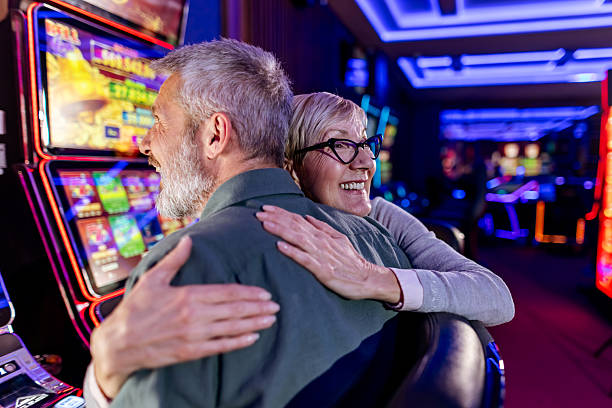
However, while socializing can enhance the gaming experience, it can also contribute to problematic behavior. Peer influence may encourage individuals to gamble more than they initially intend, as they strive to fit in or keep up with the group. This dynamic can exacerbate patterns of compulsive gambling, leading to financial and emotional distress for both individuals and their families. Understanding the balance between social enjoyment and responsible gambling behavior is crucial, as the pressure to conform can lead to reckless decisions that cause harm.
Cognitive biases and misconceptions
Players often fall prey to various cognitive biases that distort their understanding of gambling outcomes. One prevalent misconception is the gambler’s fallacy, where individuals believe that previous outcomes influence future results. For instance, a player may think that a slot machine is “due” for a win after a series of losses, leading them to invest more time and money. This erroneous belief can lead to an extended gambling session, despite the reality that each spin is an independent event, governed solely by chance.
Moreover, people frequently misinterpret their own abilities in games of chance. Many gamblers believe they have a degree of skill or intuition that can guide their decisions, even in games governed primarily by luck. This illusion of control can further entrench players in their gambling habits, as they erroneously attribute wins to their “expertise” while failing to recognize the role of chance in their losses. Such misconceptions create a false sense of confidence that can propel individuals deeper into the world of gambling, often with detrimental consequences.
This cognitive dissonance can create a cycle of increased gambling behavior. The more players believe they can influence the outcome, the more they are likely to bet. These biases are often exploited by casinos through strategic game designs and marketing techniques that encourage continued play. Promotions and advertisements may highlight big wins while downplaying the risks, further entrenching players in their misconceptions. As a result, the allure of gambling can overshadow the reality of the odds, leading to unhealthy gambling habits that are difficult to break.
The emotional rollercoaster of gambling
Gambling elicits a wide spectrum of emotions ranging from excitement to despair. Each wager places players on an emotional rollercoaster, where wins ignite moments of ecstasy and losses spiral into feelings of regret or anxiety. This intense emotional variability is not only thrilling but can also be deeply unsettling, as players often grapple with their own responses to wins and losses. The highs can be euphoric, creating a desire to chase that feeling again, while the lows can lead to self-reflection and distress.

This emotional engagement is compounded by the hope that each game could be life-changing. Many players dream of hitting the jackpot or experiencing a moment of serendipity that alters their financial circumstances, fueling their desire to continue playing even after substantial losses. The powerful imagery of winners displayed prominently within casino environments serves to reinforce this hope and adds to the emotional stakes of gambling. This narrative of potential success can overshadow the sobering reality of the risks involved.
Yet, the emotional turmoil associated with gambling can lead to negative consequences. Prolonged exposure to these highs and lows can result in mental health issues such as anxiety and depression. The correlation between gambling and emotional distress highlights the need for awareness and understanding of the psychological implications of gambling. Recognizing the emotional impact can help players make more informed choices, emphasizing the importance of responsible gaming practices to mitigate these effects and promote healthier gambling behaviors.
The importance of responsible gaming information
Understanding the psychology behind gambling is crucial for promoting responsible gaming. Casinos and gaming organizations have a responsibility to provide resources and information to help individuals make informed decisions about their gambling habits. Offering educational materials regarding the risks of gambling, recognizing biases, and understanding emotional responses can empower players to engage in healthier gaming practices. By fostering a culture of awareness, the industry can play a significant role in reducing problematic gambling behavior.
Moreover, casinos should integrate responsible gaming features into their operations, such as offering self-exclusion programs and tools that allow players to monitor their spending. Providing access to support resources, including counseling services and helplines, can help individuals who may be struggling with compulsive gambling tendencies. An environment that encourages awareness can foster a culture of responsible gaming, benefiting both players and the industry while promoting a safer gambling experience.
By equipping players with knowledge and tools, the gambling community can mitigate the risks associated with gaming, promoting a healthier relationship with gambling. Navigating the psychological landscape of casinos requires a nuanced understanding of human behavior and emotion, making responsible gaming a vital aspect of the industry’s framework. This commitment to responsible practices not only protects players but also enhances the overall integrity of the gaming environment, ensuring a more sustainable future for all involved.
Comments are closed